
Astronomy Magazine – Your source for the latest news on astronomy, observing events, space missions, and more.
Top Stories

Picture of the Day
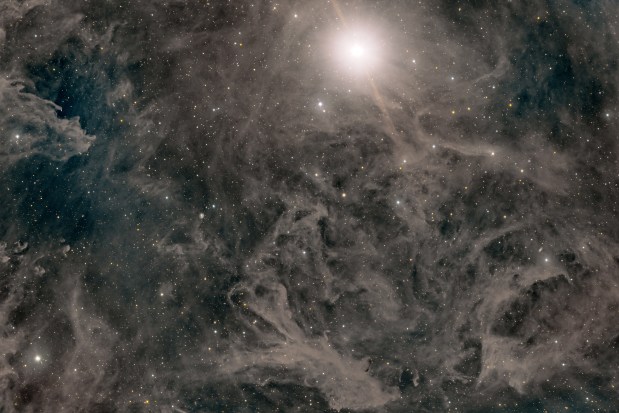
Galactic cirrus
Josh Jones, taken from Pendleton, Oregon
Mandel-Wilson 1 (MW1) is not a traditional deep-sky object — rather it is made of extremely faint, wispy gas that lies outside the plane of our galaxy. While it appears to surround Polaris, it is in fact much more distant, lit not by a single star, but the overall glow of the Milky Way Galaxy. This type of object is called an integrated flux nebula, and the clouds that make up such objects are sometimes called galactic cirrus. The imager used an 11-inch f/2.2 Celestron RASA astrograph to take 12.75 hours of data in RGB filters.
May 2024
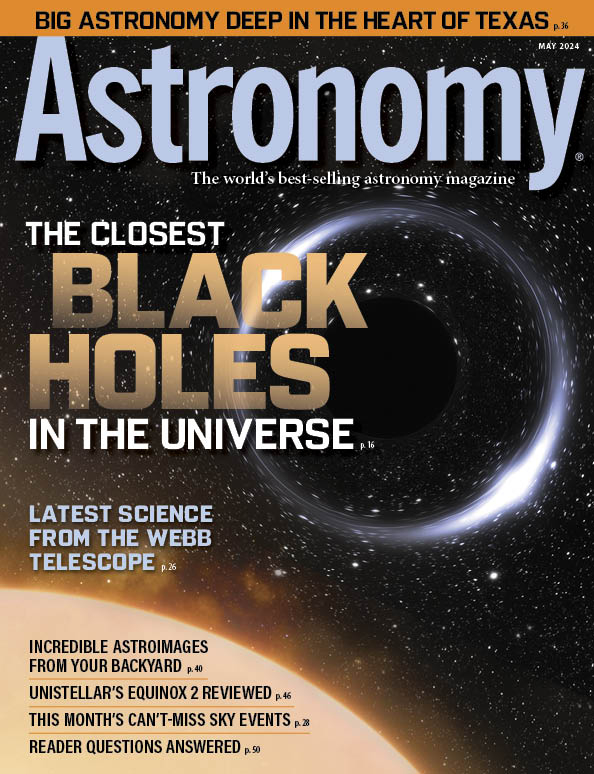
- The thrilling hunt for the closest black holes
- Getting to know an unsung space center: SwRI
- We review Unistellar’s new smart scope
- Astrophotography and the art of collaboration
Latest News


Product Recommendations
-
New arrivals
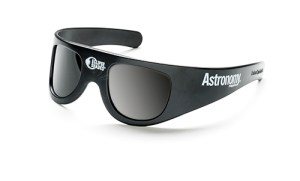
Wrap Around Solar Eclipse Glasses
-
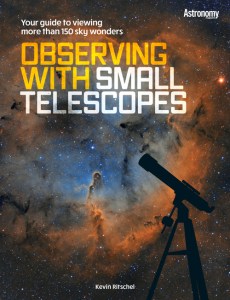
Books & DVDs
Observing with Small Telescopes
-
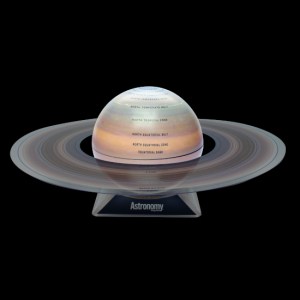
Globes & Maps
6" Saturn Globe
-
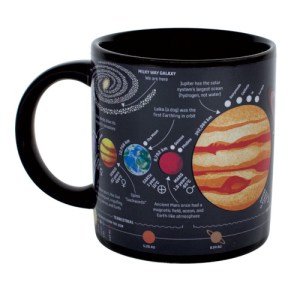
Gifts & Toys
The Planet Mug
-
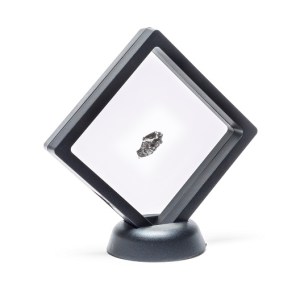
STEM Toys
Campo del Cielo Meteorite
-
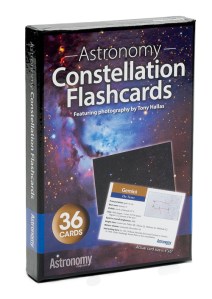
STEM Toys
Constellation Flashcards
-

Gifts & Toys
2024 Eclipse Tour Shirt
-
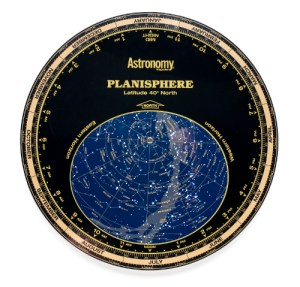
STEM Toys
Astronomy 40° North Planisphere
-
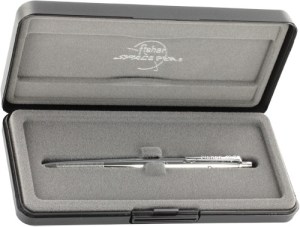
Gifts & Toys
Fisher Original Astronaut Space Pen